
Transform · Technology
What goes into a Transform glove
The materials inside our gloves, explained properly: what they are, where they come from, how they work and where their limits are.

Insulation
PrimaLoft® Gold Cross Core
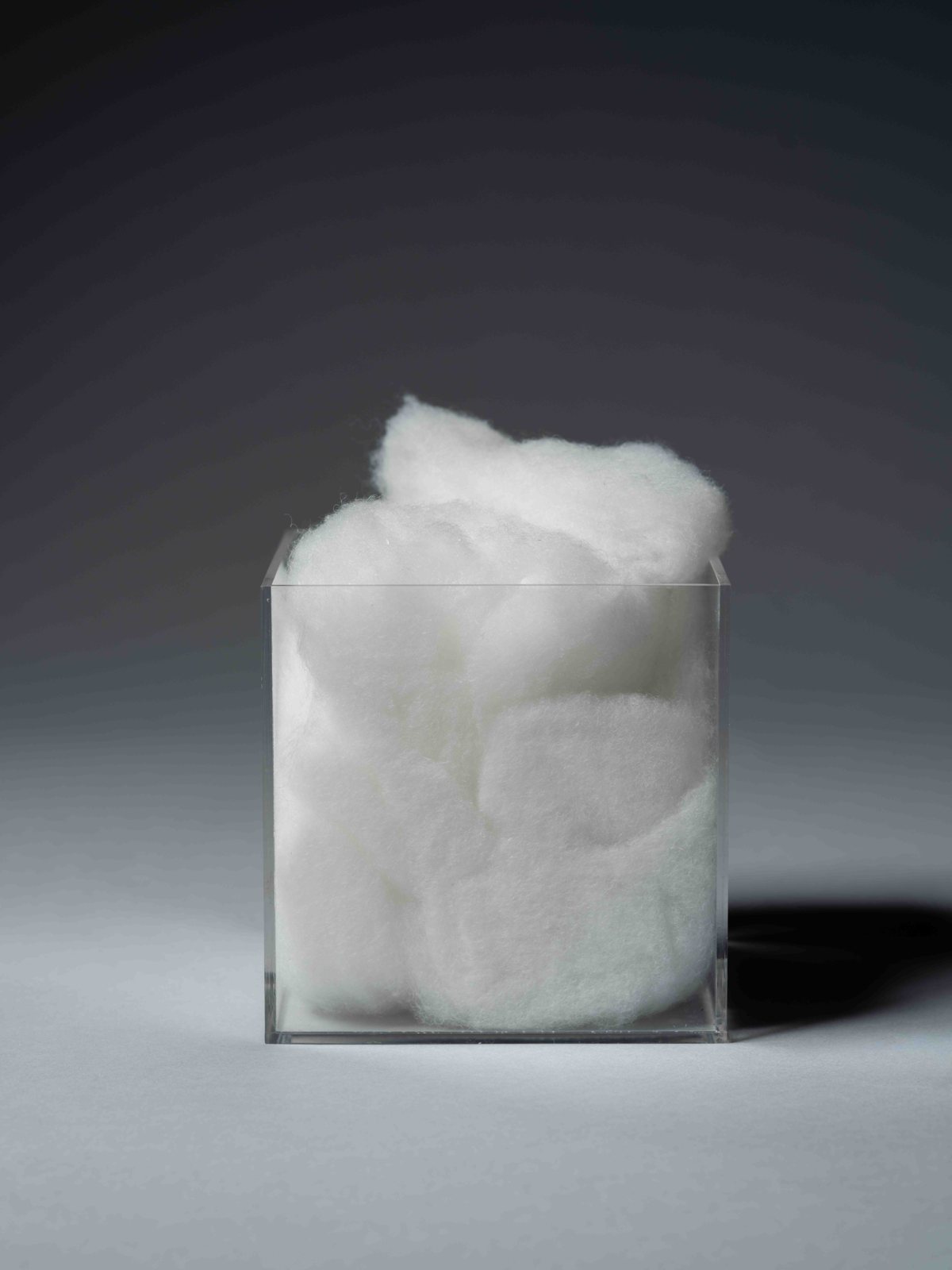
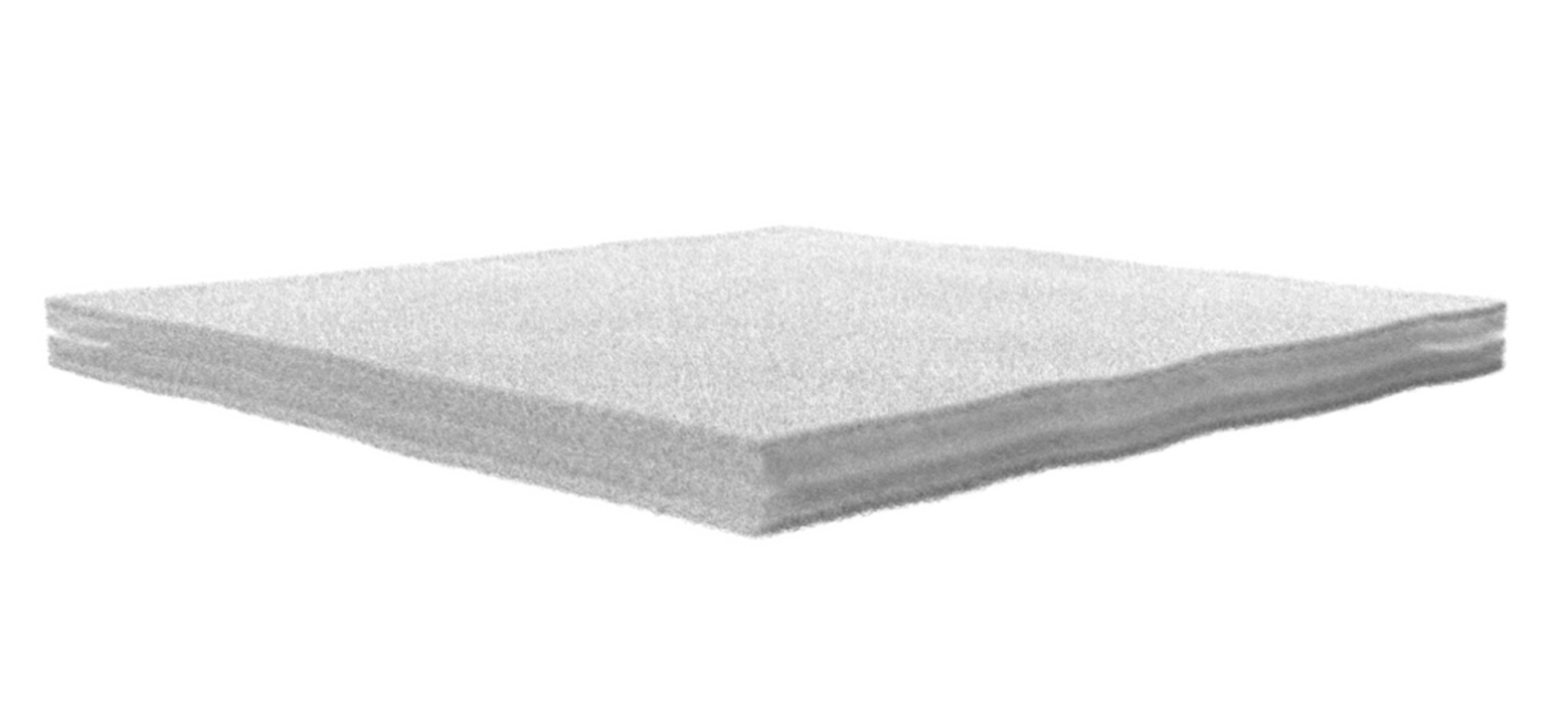
PrimaLoft® Gold Cross Core (PrimaLoft code I-1019) takes PrimaLoft Gold insulation and builds tiny aerogel particles into the fibres. Lightweight, soft and very packable, it gives a lot of warmth for very little bulk, and it keeps working when it gets wet. It is the insulation in most of our gloves and mitts.
- Lightweight
- NASA Technology
- Packable
- Warm When Wet
What aerogel is
Aerogel is a solid that is mostly air: PrimaLoft puts silica aerogel at more than 95 percent air. Insulation works by trapping still air, so a material that is nearly all trapped air is about as good as it gets for its weight. On its own aerogel is brittle, so it needs something to carry it.
The real NASA story
You will see "NASA-developed aerogel" on plenty of product pages. NASA's own Spinoff article says otherwise: aerogels were around long before NASA got involved.
What NASA did was fund Aspen Systems (now Aspen Aerogels) through Kennedy Space Center small-business contracts, to put aerogel into flexible blankets for insulating rocket fuel kept at −423 °F. PrimaLoft first sold those blankets, then went further with Cross Core. So "NASA Technology" on the tag is fair; it just isn't the whole story.
Built into the fibre
The first aerogel clothing insulation was a blanket sealed inside another layer. NASA Spinoff describes that kind as stiff and not breathable, fine for a glove palm, poor for the back of a hand.
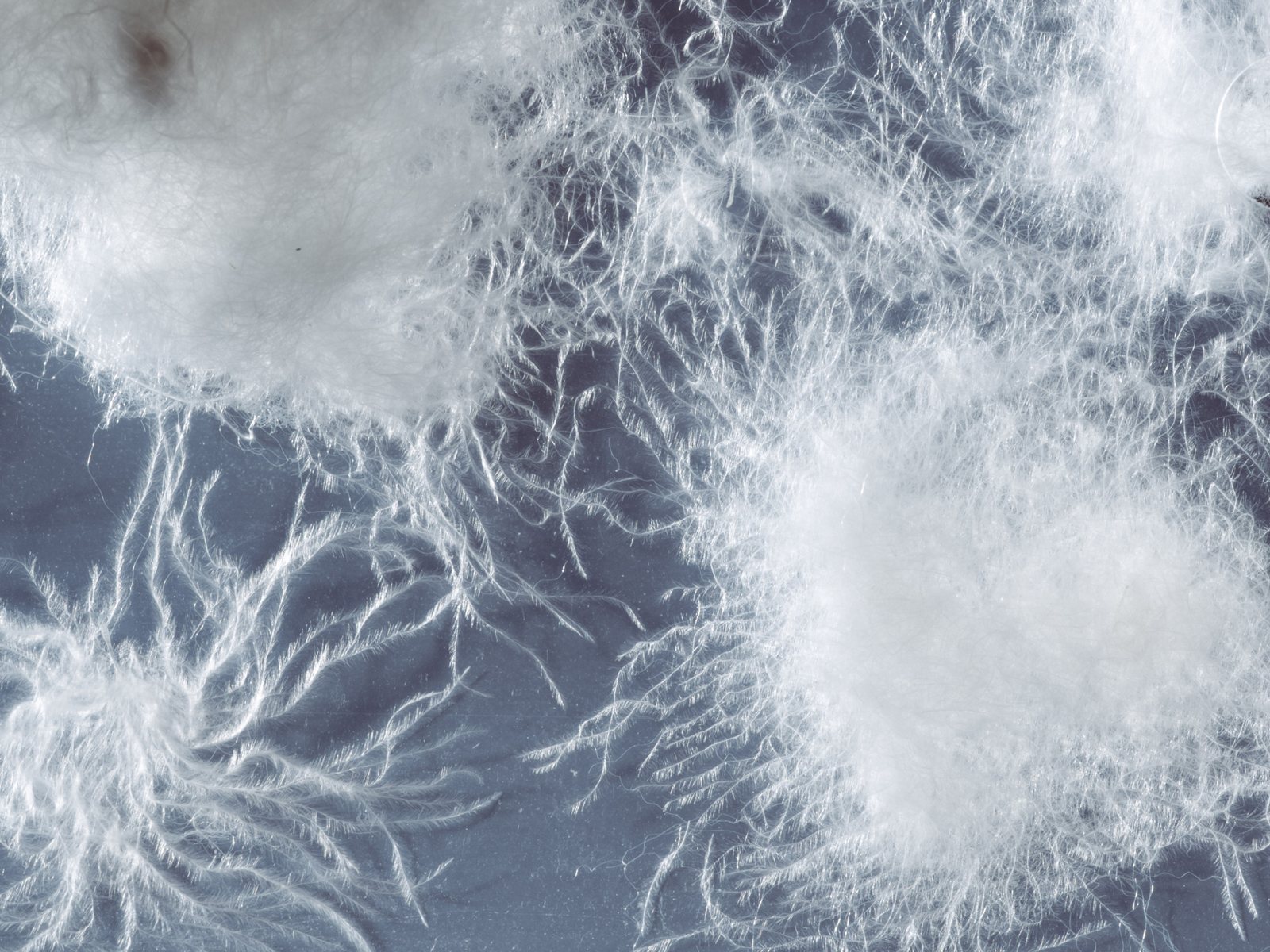
Cross Core puts the aerogel particles inside ultra-fine fibres instead. The result stays fluffy and breathable and behaves like normal synthetic fill, which is why it can go right through a glove.
How much warmer is it?
The one sourced figure we have found is from NASA Spinoff: Cross Core gives 15 to 20 percent better thermal performance than synthetic fibres without aerogel.
You will also see "52% warmer" and various clo values around the web. We couldn't trace any of them to a source, so we don't repeat them.
Warm when wet
Gloves get wet from both sides: snow from outside, sweat from inside. PrimaLoft lists Warm When Wet among Gold Cross Core's features. In our gloves it also sits behind a Hipora® insert, so its first line of defence is staying dry in the first place.
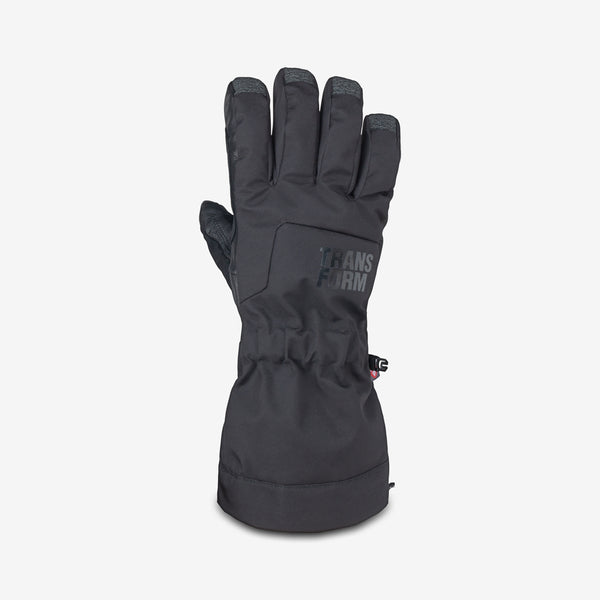
Gloves with PrimaLoft® Gold Cross Core
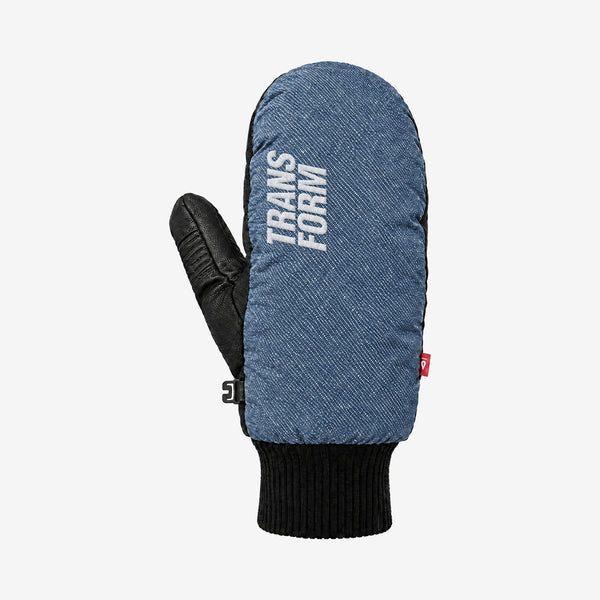
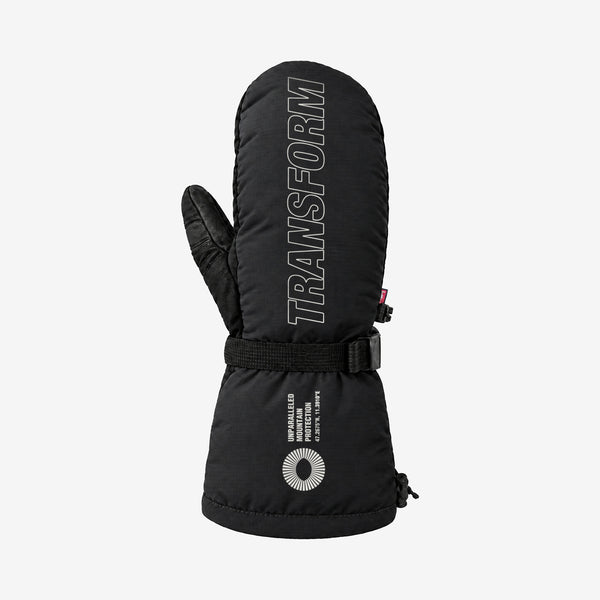
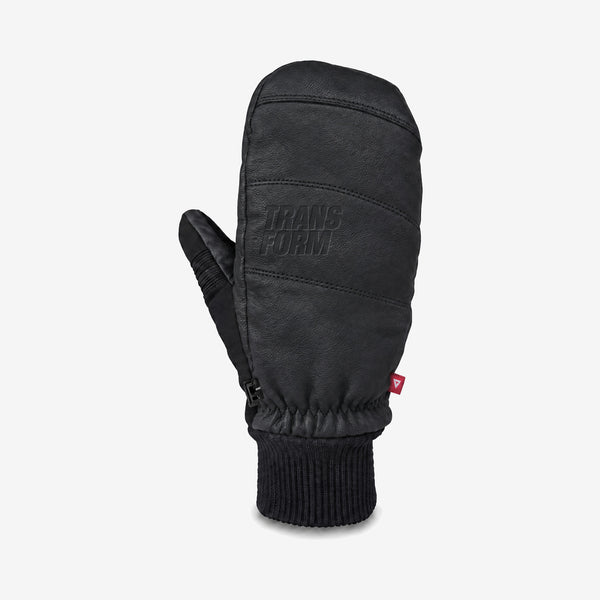
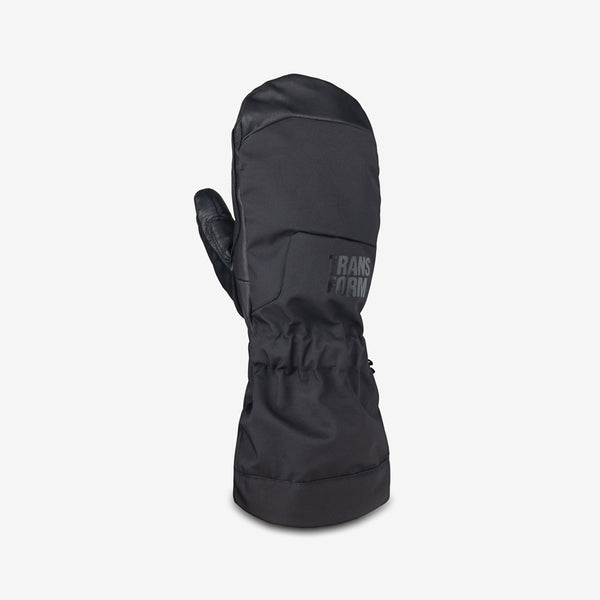
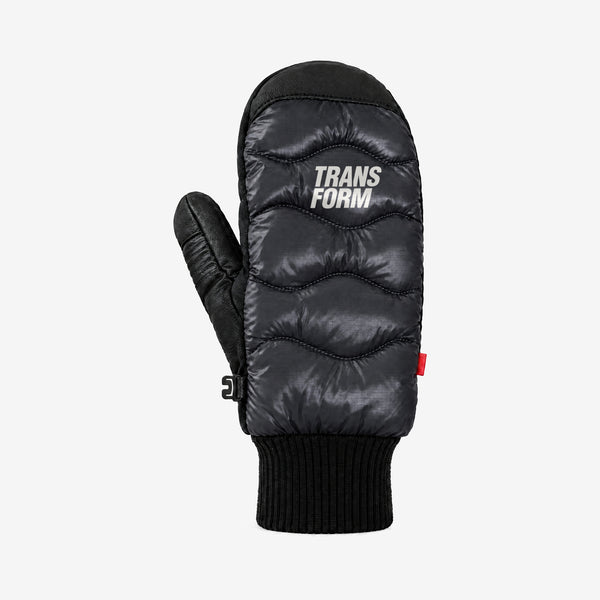
UMP Mitt
PrimaLoft® Gold Down Blend
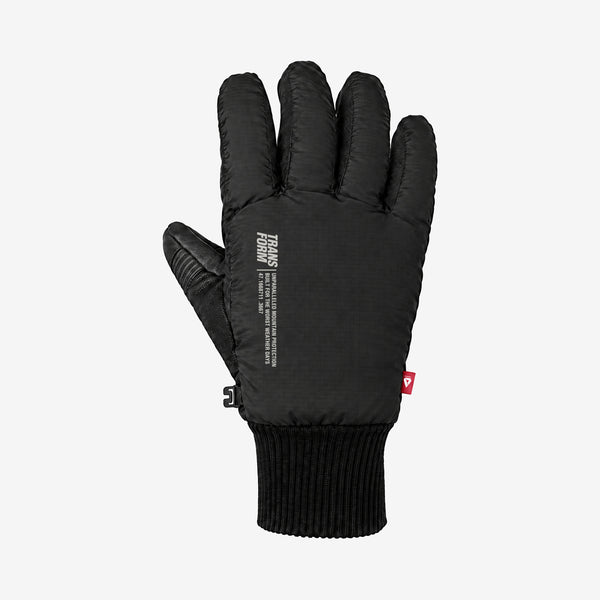
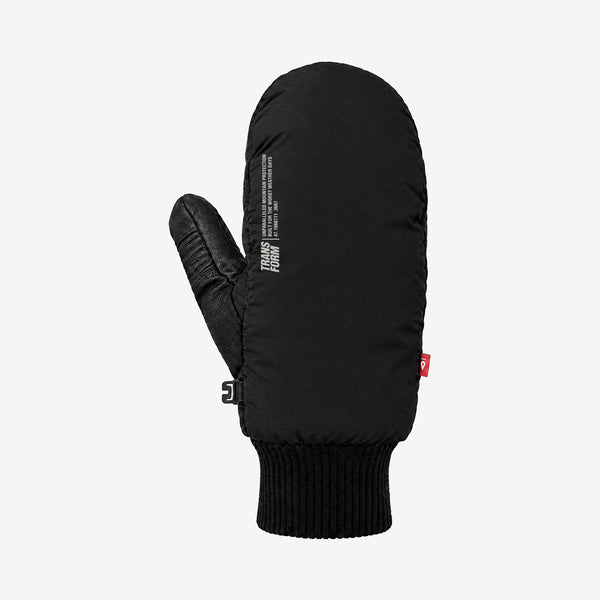
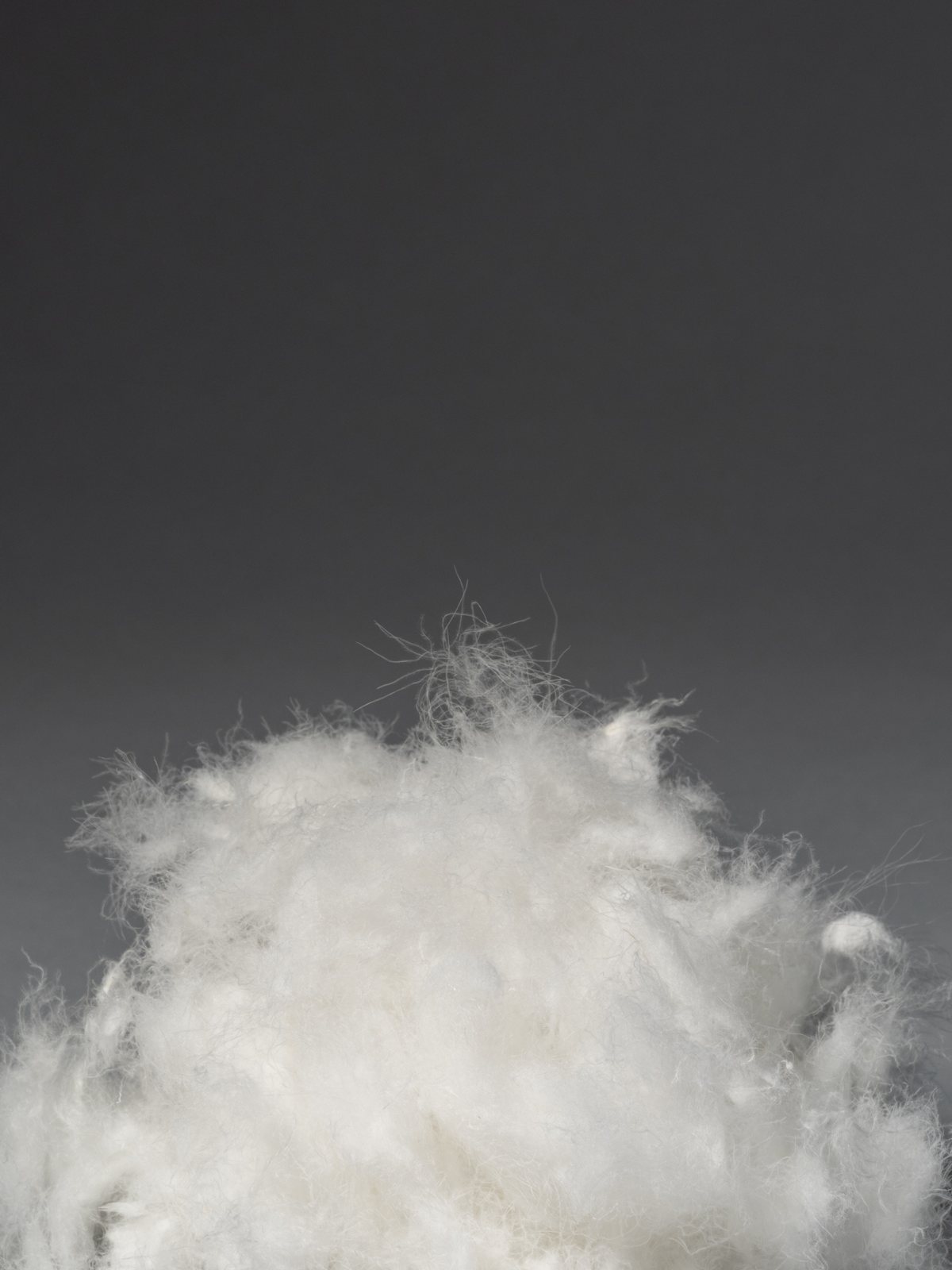
The UMP Mitt is our warmest. It uses PrimaLoft® Gold Down Blend (I-1003): natural down blended with PrimaLoft fibres. You get the softness and packability people love about down, while the PrimaLoft fibres help it keep insulating in cold, damp weather.
- Warm without Weight
- Packable
- Soft Hand-Feel
Questions about PrimaLoft®
What is PrimaLoft Gold Cross Core?
It is PrimaLoft Gold synthetic insulation with tiny aerogel particles built into the fibres. PrimaLoft calls it aerogel-powered insulation built for extreme conditions, and lists it as lightweight, packable and warm when wet.
What does I-1019 mean?
I-1019 is PrimaLoft's product code for Gold Insulation Cross Core in its Classic Series. Plain PrimaLoft Gold Insulation is I-1001. The code is how you tell the two apart on a spec sheet or tag.
What is aerogel?
Aerogel is a solid made mostly of air. Silica aerogel is more than 95 percent air, which makes it a very good insulator for its weight. On its own it is brittle, so it has to be carried in something, like a blanket or a fibre.
Is Cross Core really NASA technology?
Partly. NASA didn't invent aerogel, which existed long before. NASA's Kennedy Space Center funded Aspen Systems, now Aspen Aerogels, through small-business contracts to make flexible aerogel blankets for super-cold rocket fuel. PrimaLoft built on that work.
How much warmer is Cross Core?
NASA Spinoff reports 15 to 20 percent better thermal performance than synthetic fibres without aerogel. That is the only sourced figure we have found. PrimaLoft's own product page gives no number.
Is aerogel a gimmick in gloves?
Not in this form. Older aerogel insulation came as encapsulated blankets, which NASA Spinoff describes as stiff and not breathable. Cross Core puts the aerogel inside the fibres, so the insulation stays fluffy and breathes, which is what a glove needs.
Does Cross Core stay warm when wet?
PrimaLoft lists Warm When Wet as one of Gold Cross Core's features. It is still a good idea to keep the insulation dry, which is the job of the Hipora insert in our gloves.
How does Cross Core compare with PrimaLoft Silver?
Silver is a separate PrimaLoft insulation without the aerogel. We don't have the spec sheets needed for a fair number-for-number comparison, so we won't quote one. Every Cross Core product PrimaLoft lists is built on Gold.
Is synthetic or down better in gloves?
It depends on the day. Down is very warm for its weight but generally struggles once it's soaked. Synthetic insulation like Cross Core is made to keep working when damp. Our UMP Mitt uses PrimaLoft Gold Down Blend Blend for the coldest days. The rest of our Hipora range uses Cross Core.
Sources
- PrimaLoft: Gold Cross Core Insulation (I-1019)
- PrimaLoft: Gold Down Blend (I-1003)
- NASA Spinoff: Keeping Warm (2021)
- Textile World: PrimaLoft expands Cross Core (2021)
- Photos, logos and icons: PrimaLoft, used with permission.

Waterproof insert
Hipora®
Hipora® is a waterproof, breathable weather shield built right into the glove. It is a three-layer microporous membrane with around 9 billion pores per square inch, each 0.1 to 3 microns across. A raindrop is 100 to 3,000 microns, far too big to get in. The water vapour your hand gives off is 0.0004 microns, small enough to get straight out. You stay dry from the snow outside and from the sweat inside, run after run.
Rain out, sweat out
Most waterproof films trap your sweat. Hipora® solves that with a polyurethane coating covered in about 9 billion micro-pores per square inch, each 0.1 to 3 microns across. Water from outside can't get through. Moisture and warm vapour from your body can. Work hard and the sweat escapes, so your hands stay comfortable.
Who makes Hipora®
Hipora® comes from Kolon, one of Korea's big textile groups. Kolon's own blog calls it the country's first breathable-waterproof fabric, launched in 1984 and made with a wet-coating process, where the PU is coated on and set so it forms a porous film.
Kolon has since moved on to a newer fabric it calls neoVENT, but the Hipora name stuck in gloves, and you will still find it in snow, motorcycle and work gloves from plenty of brands.
Insert vs laminated membrane
There are two common ways to put a membrane in a glove. You can bond it straight onto a fabric (a laminate), or you can make it into a separate glove-shaped insert. Hipora® in our gloves is the second kind: a pre-stitched liner, then the breathable Hipora® insert, then a pre-stitched outer glove of fabric or leather.
An insert lets the outer be whatever suits the glove, including leather, without the membrane being part of it. The trade-off is that the outer can take on water before anything reaches the membrane. Your hand stays dry, but a wet outer is heavier and colder to wear, which is why a good outer and a good treatment still matter.
Is it waterproof?
The membrane is. The glove is a different question, because water doesn't only come through the fabric. More often it gets in at the cuff: snow down the wrist on a fall, or melt running in when the glove sits under the jacket sleeve. The insert can't do anything about water that goes around it.
We couldn't find a published millimetre rating for Hipora® anywhere. The 10,000 mm and "15K" numbers that turn up online don't trace back to a test report, so we don't print one. If our factory can supply the insert's lab results, they go on this page.
Breathability
Breathable means vapour moves out through the pores. It isn't a pump: vapour moves from warm and humid to cool and dry, so it leaves fastest when the inside of the glove is warmer and damper than the outside. On a hard hike to a line you can sweat faster than any membrane moves it, and a cold, soaked outer slows things further. Damp hands at the end of a big day are often sweat, not a leak.
Gloves with Hipora®
The Workwear Glove is built differently and doesn’t use Hipora®.
Care
- Check the care label on your pair first.
- Dry gloves at room temperature after every day out, cuff open so air can move through.
- Keep them off heaters, boot dryers on high and away from a fire. Direct heat is hard on leather and on seams.
- Don't wring them out. Press water out of the outer and let it dry.
- Re-treat a fabric or leather outer when it stops beading water. The insert does its job either way, but a dry outer is warmer to wear.
Questions
What is Hipora®?
Hipora® is a waterproof, breathable three-layer microporous membrane, used in our gloves as a separate insert between the liner and the outer glove. It is covered in microscopic pores that are too small for liquid water to get through and big enough for sweat vapour to escape.
Who makes Hipora?
Hipora was developed by Kolon, the Korean textile group. Kolon describes it as Korea's first breathable-waterproof fabric, launched in 1984 and made with a wet-coating process. Its successor fabric at Kolon is called neoVENT.
Is Hipora waterproof?
Yes. The hang tag describes the insert as a waterproof PU membrane that shuts out water from outside. Water can still get into a glove around the membrane, mostly through an open cuff, and a soaked outer can feel cold and heavy even when the insert has kept your hand dry.
Is Hipora breathable?
Yes. The pores let water vapour from your skin pass out through the membrane. Breathability has limits, though. If you sweat faster than vapour can leave, or the outer glove is soaked and cold, your hands can still feel damp.
Is Hipora as good as Gore-Tex?
They are different materials. Gore-Tex is an ePTFE membrane, and Gore controls and tests the finished gloves it licenses. Hipora is a microporous PU coating. Neither brand publishes a glove-insert rating we can compare like for like, so we won't claim one beats the other.
What is Hipora's waterproof rating?
We couldn't find a published one. Numbers like 10,000 mm or 15K float around online, but none of them points to a test report. If our factory can supply the insert's lab results, we will publish them here.
Why do my gloves feel wet inside?
Usually it is sweat, snow down the cuff, or a soaked outer pulling heat out of your hand. The insert only works for water that meets it from outside. Seal the cuff over or under your jacket and let the gloves dry fully between days.
What is the difference between an insert and a laminated membrane?
An insert is a separate membrane glove sewn between the liner and the outer, which is how Hipora is used in our gloves. A laminated membrane is bonded straight to a fabric. With an insert, the outer can take on water before it reaches the membrane.
How do I wash Hipora gloves?
Follow the care label on your pair first. In general, spot clean the outer, don't wring the glove, and dry it at room temperature with the cuff open. Keep it off heaters and away from a fire, because direct heat is hard on leather and on seams.
How does Hipora compare with DryRide?
DryRide is Burton's name for its own waterproof-breathable fabrics. We haven't found a published spec for either that lines up, so there is no fair number-for-number comparison to make. Both do the same basic job: keep liquid water out and let vapour through.
Sources
- Kolon Group blog: Hipora history (Korean)
- USPTO record: HIPORA, reg. 1420123
- CIPO record: HIPORA DESIGN TMA606663
- Gore-Tex gloves
- Transform Hipora® hang tag (our own product).
- Last verified 2 October 2026.